
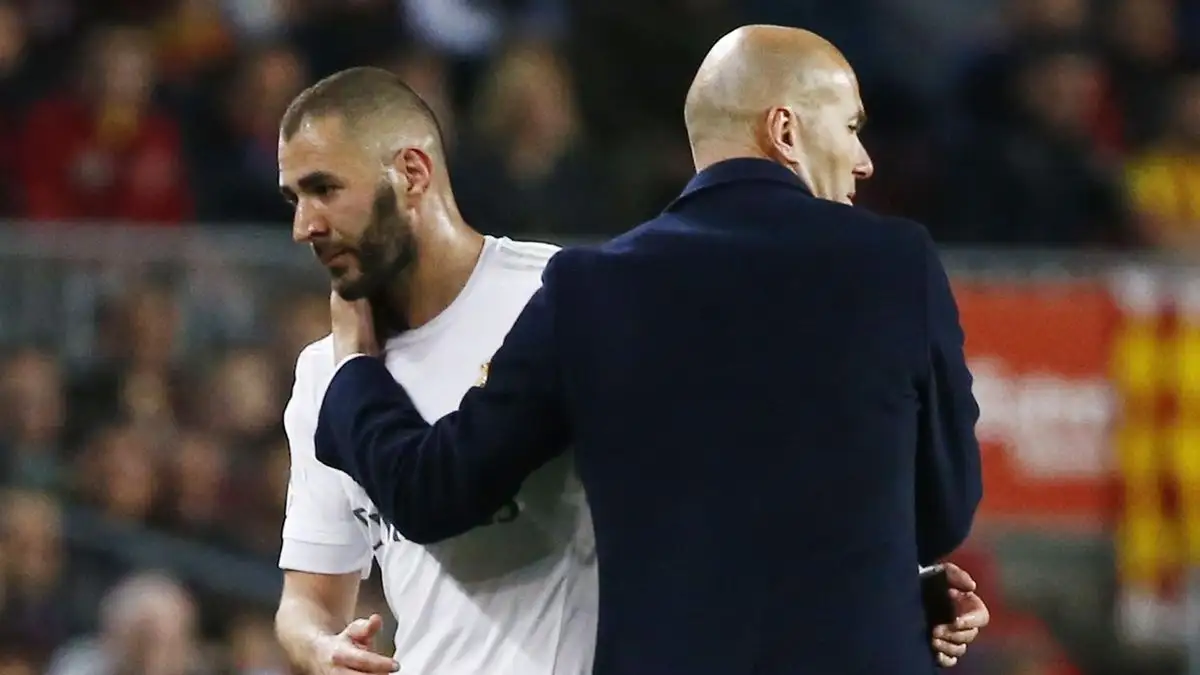

When he faced Barcelona for the first time as head coach of Real Madrid, Zinedine Zidane employed a sophisticated high-press strategy, neutralizing the attacking trio of Messi, Suarez, and Neymar, and leading his team to an impressive 2-1 victory.
In April 2016, Zinedine Zidane officially took over as head coach of Real Madrid, replacing Rafael Benitez mid-season. In his very first El Clásico, Zidane caught the football world’s attention with a meticulously planned strategy that focused on high pressing and compact defensive organization to neutralize Barcelona, then boasting the world’s top attacking trio of Lionel Messi, Luis Suarez, and Neymar.
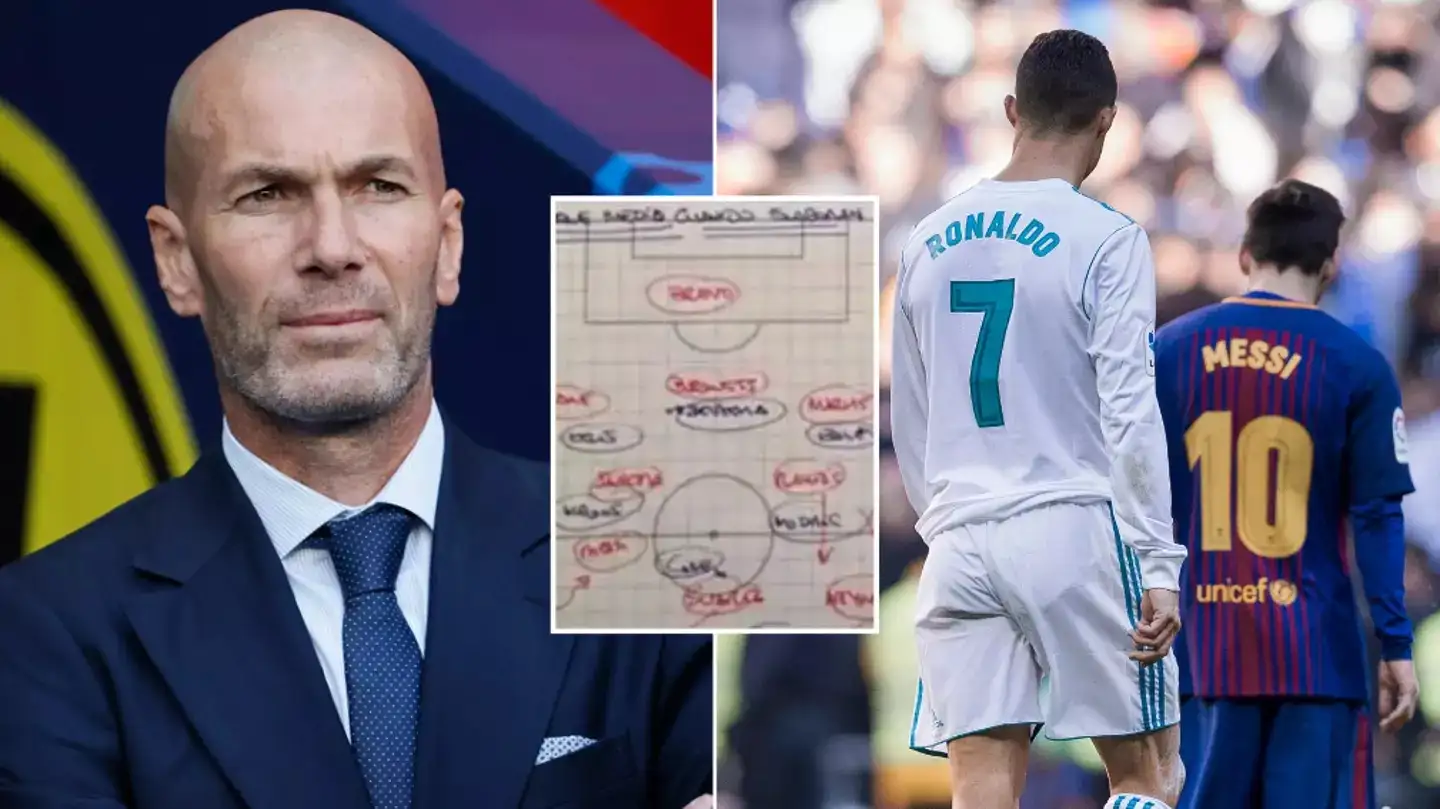
Before the match, Zidane, together with his coaching staff, carefully analyzed Barcelona’s playing style. He identified a key weakness: the Catalan side’s buildup from the back through central midfield. Zidane’s instructions were clear—whenever Barcelona attempted to advance from their own half, Real Madrid would apply high pressing in a 4-against-3 structure.
Cristiano Ronaldo was tasked with cutting the passing lane between the goalkeeper and the first center-back, limiting Barcelona’s short passing combinations. Karim Benzema shadowed Sergio Busquets to disrupt critical passes from the defensive midfielder. Gareth Bale pressed the second center-back, forcing the ball out wide.
The goal of this tactical setup was to make Busquets drop deeper to receive the ball, giving Real Madrid a numerical advantage in midfield. With control of the central area, “Los Blancos” could launch quick counterattacks, creating opportunities for Ronaldo, Benzema, and Bale to exploit open spaces.
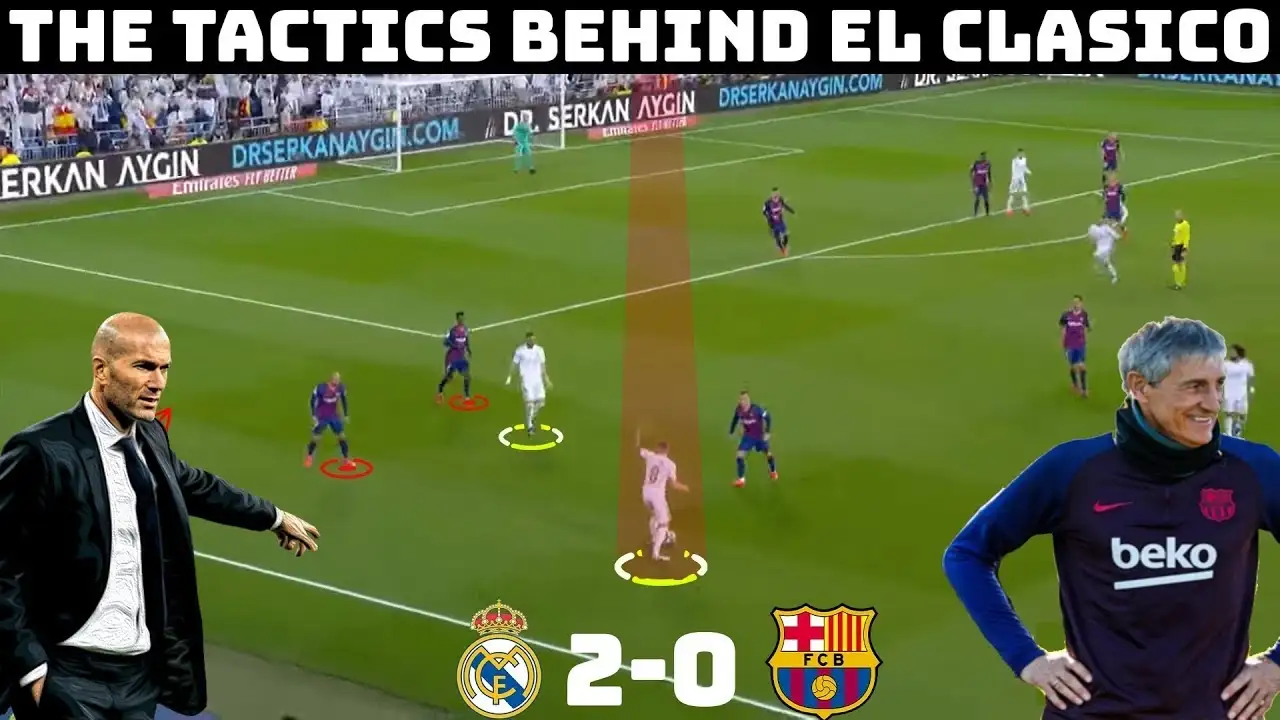
Zidane also gave detailed instructions to his central midfielders. Toni Kroos and Luka Modric were responsible for marking Andres Iniesta and Ivan Rakitic. Zidane recognized that if Iniesta had space, he could pull Real Madrid’s midfield out of position, opening channels for Suarez or Messi. In such situations, Casemiro would track Iniesta, ensuring Barcelona could not organize freely.
The pressing tactic was not just about man-marking. Zidane instructed the team to coordinate and rotate pressure on Messi depending on his position. This limited the Argentine superstar’s space and forced him to move constantly, reducing Barcelona’s attacking efficiency. Direct passes to Busquets were completely blocked, forcing the visitors to play out wide, where Suarez had to stretch and was no longer a central threat.
A defining feature of Zidane’s tactic was its flexibility and cohesion. Every Real Madrid player understood their role—not only marking opponents but also supporting teammates during pressing sequences. The combination of proactive defending, relentless tracking, and rapid transitions between defense and attack disrupted Barcelona’s rhythm throughout the match.
The results spoke for themselves. Real Madrid won 2-1, with goals from Ronaldo and Benzema, while Pique scored the lone goal for Barcelona. The victory was not only a perfect start for Zidane at Real Madrid but also marked a return to the drama and tactical intrigue that defines El Clásico, where coaching decisions can shape the outcome.
The synergy between creative midfielders Kroos and Modric and the fast front three of Ronaldo, Bale, and Benzema created a flexible, high-intensity Real Madrid capable of rapid pressing and sharp counterattacks. Zidane demonstrated that with the right strategy, neutralizing world-class talents like Messi, Suarez, and Neymar was entirely possible.

The lesson from Zidane’s approach was clear: careful preparation and detailed opponent analysis are crucial in El Clásicos. Beyond focusing on star players, he accounted for subtle elements such as movement, passing lanes, and tactical habits, allowing Real Madrid not only to dominate midfield but also generate clear scoring opportunities on the counter.
Zidane’s philosophy emphasized modern football principles: flexible defense, aggressive pressing, and efficient counterattacks. Every player knew their role and was ready to support teammates, creating a coherent and hard-to-break system.
Experts agree that Zidane’s tactical intelligence and match-reading ability were key to Real Madrid overcoming Barcelona. Thorough preparation combined with in-game adaptability allowed “Los Blancos” to control crucial moments and maximize counterattack opportunities.
This first El Clásico victory also foreshadowed Zidane’s successful tenure at Real Madrid, during which he would guide the club to multiple titles, including consecutive Champions League trophies. The match demonstrated that careful opponent analysis and the application of scientific, flexible tactics can make a decisive difference in top-tier football.
From this game, fans and analysts alike saw that Zidane’s tactical genius came not only from team management but also from the subtle use of players at the right time and in the right position. His blend of experience, intuition, and game-reading ability created a Real Madrid capable of adapting to any situation—from solid defense to lethal counterattacks.
Ultimately, this El Clásico was not just a victory on the scoreboard but also a testament to Zidane’s football philosophy: smart tactics, coordinated teamwork, and flexible adjustments are the keys to success in high-stakes matches. His first win over Barcelona confirmed his talent and set the stage for a glorious period at Real Madrid.