
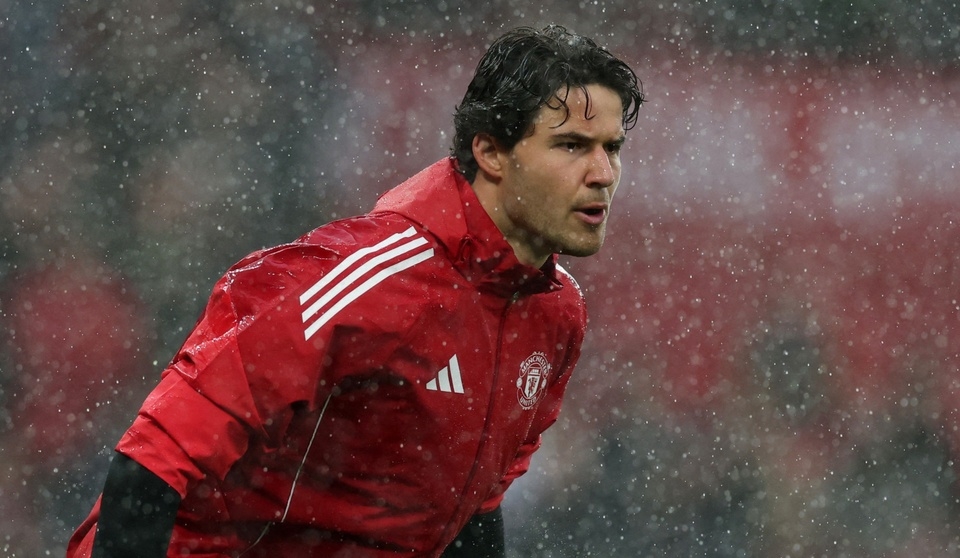

Senne Lemmens made an eye-catching debut for Manchester United, helping the team keep a clean sheet and secure a 2–0 victory over Sunderland at Old Trafford. Those 90 minutes not only marked a promising start for the young Belgian goalkeeper but also revealed much about manager Ruben Amorim’s philosophy and the new direction United are taking between the posts.
Senne Lemmens – A New Beginning Under the Lights
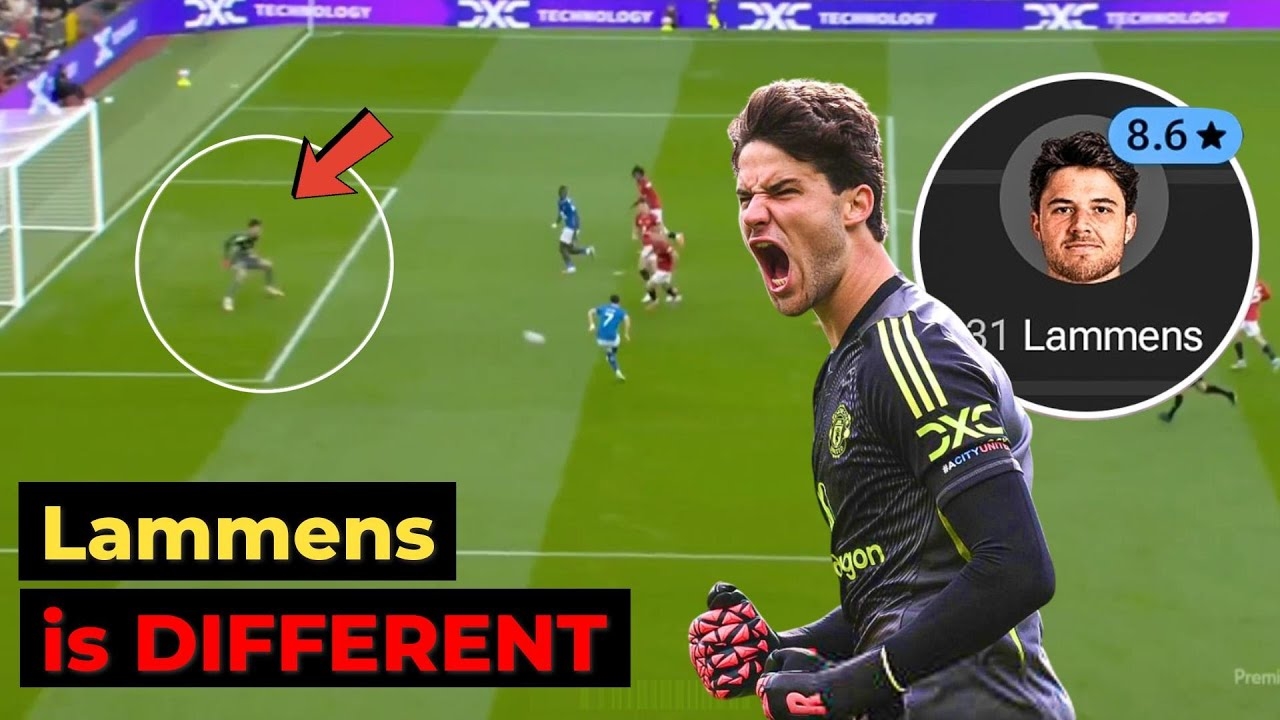
Under the tense, expectant air of Old Trafford, Manchester United desperately needed a performance that could calm the storm. The team had struggled for rhythm in the early weeks of the Premier League, and all eyes were on Ruben Amorim to find solutions. His decision on the night—handing the gloves to 22-year-old newcomer Senne Lemmens—came as a surprise to many.
The Belgian, signed on the final day of the 2025 summer transfer window for £18.2 million, had yet to make his competitive debut. Dropping Altay Bayındır to the bench raised eyebrows, but Amorim’s reasoning was clear and concise: rotation was necessary, and every player had to be ready.
That readiness was precisely what Lemmens embodied.
Calm Presence, Commanding Space
From the opening minutes, Lemmens exuded composure. His positioning was sharp, his movement efficient, and his reading of the game well beyond his years. Sunderland pressed high, attempting to rattle the young keeper, but he responded with poise—launching accurate long passes toward Benjamin Šeško and Bryan Mbeumo, bypassing pressure and igniting fast transitions.
It was not just his shot-stopping that stood out. Lemmens played an active role in United’s build-up play, often acting as the first passer in Amorim’s possession structure. He completed three key saves, made two confident catches from high balls, and cleared danger once with decisive timing inside the six-yard box.
Each action sent ripples of approval through the Old Trafford crowd. Those statistics, dry on paper, told a richer story: here was a goalkeeper who could control tempo, use his feet under pressure, and command the defensive zone with authority.
The Modern Goalkeeper
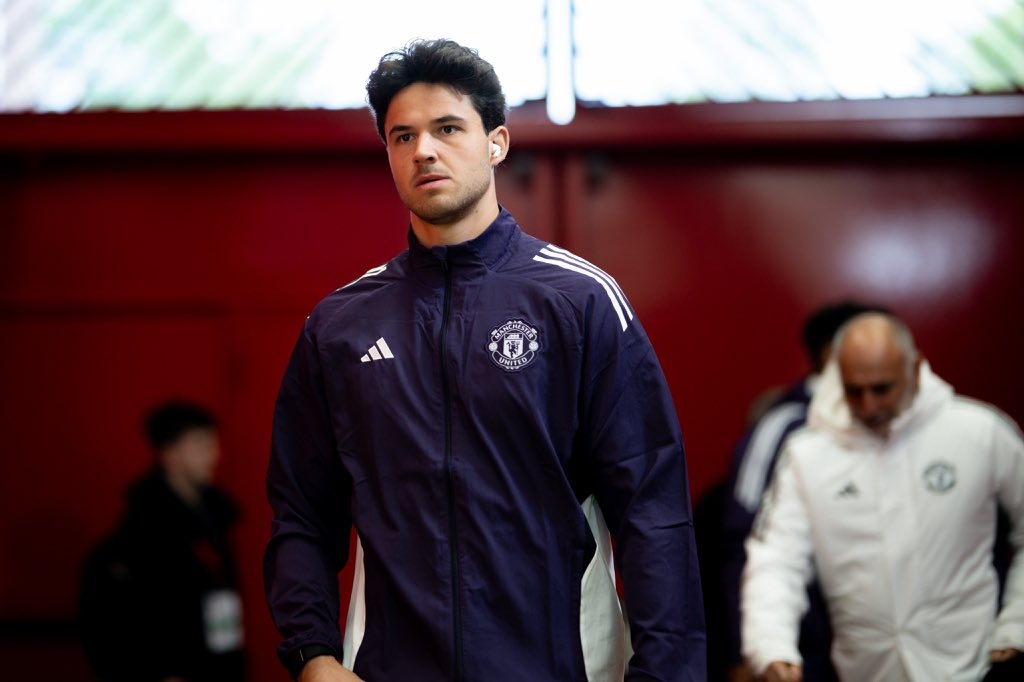
When Manchester United invested heavily in Lemmens, critics dismissed the move as an unnecessary backup signing. Yet after just one appearance, it became clear that the club had secured more than mere depth.
Lemmens represented the modern archetype of a goalkeeper—part shot-stopper, part playmaker. Every pass he made seemed purposeful, progressive, and designed to maintain attacking momentum rather than reset play.
That approach reflects Amorim’s footballing philosophy: proactive pressing, vertical transitions, and intelligent circulation from the back. In such a system, the goalkeeper is not a bystander but a strategic pivot, and Lemmens looked entirely comfortable in that role.
He didn’t just fit the system—he enhanced it.
Bearing the Weight of History
To wear Manchester United’s number one shirt is to inherit an immense legacy. For decades, the club’s goalmouth has been guarded by giants—Peter Schmeichel, Edwin van der Sar, and David De Gea, to name a few. Stepping into that lineage can be daunting, especially for a young goalkeeper making his first start.
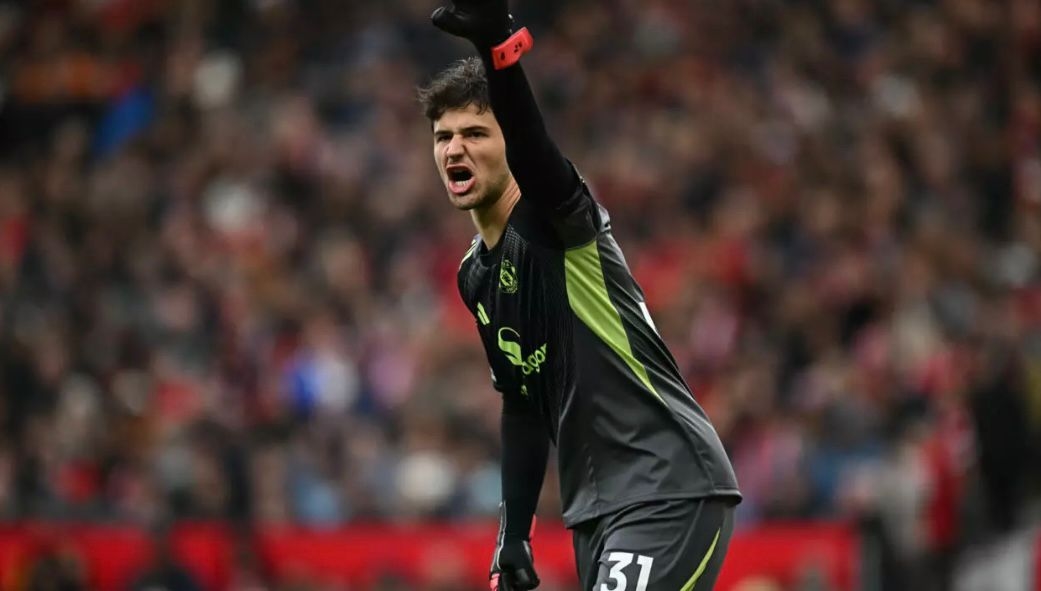
But Lemmens showed no sign of being overawed. He avoided theatrics, focusing instead on consistency and clarity. His reactions were sharp, his command vocal but measured, and his body language assured. Even when Sunderland pushed forward late in the game, Lemmens remained unfazed—his composure a quiet contrast to the tension of the moment.
Amorim, watching from the touchline, would have recognized in Lemmens something that cannot be coached: emotional control.
Earning the Fans’ Trust
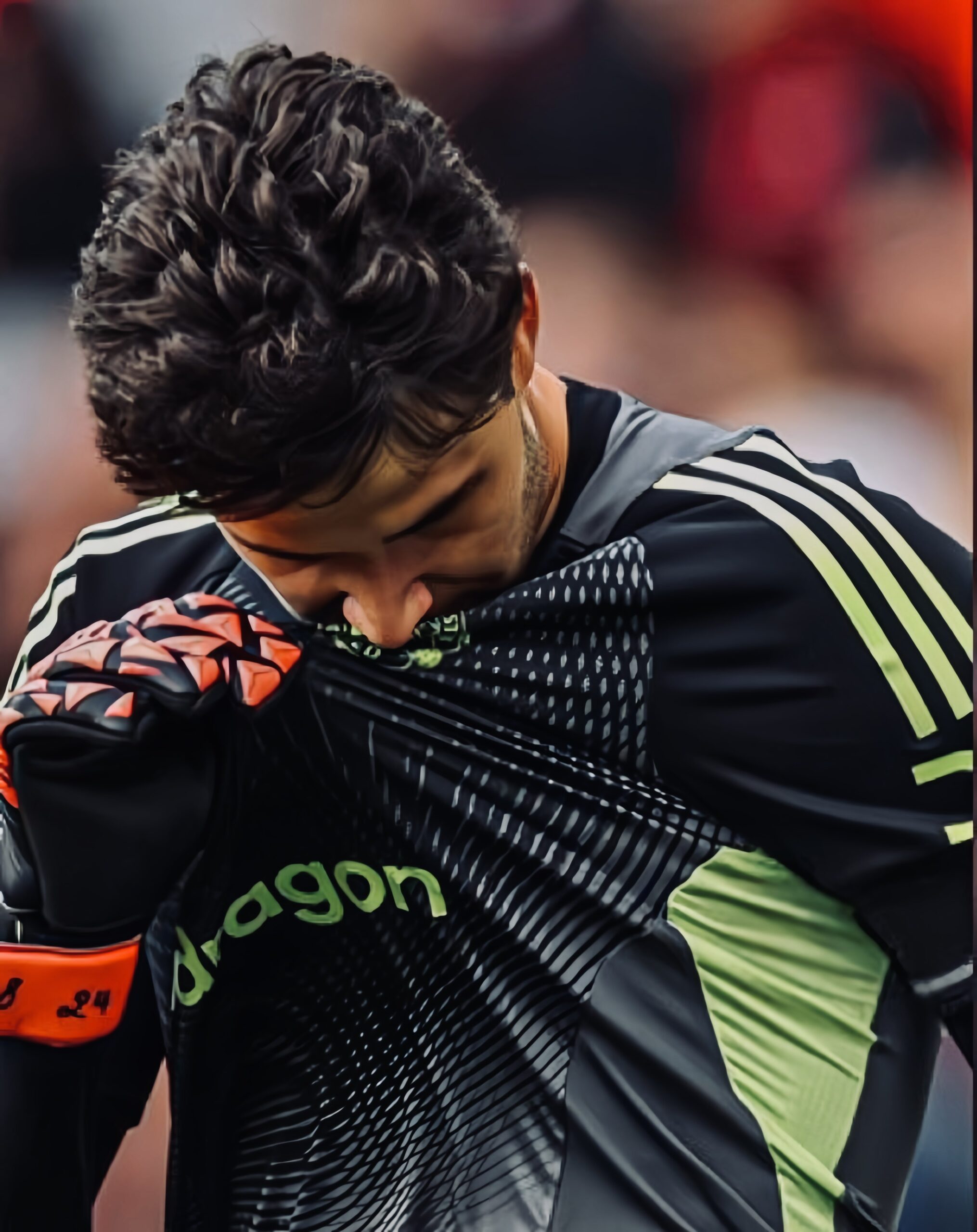
The response from Manchester United fans was immediate and overwhelmingly positive. On social media, praise poured in: “He commands his area perfectly,” “So calm—reminds me of De Gea in his prime,” “Those long passes are elite,” “Finally, a keeper who inspires confidence.”
The excitement was palpable. For a fan base accustomed to defensive instability in recent years, Lemmens’ debut felt like a breath of fresh air. He had not only kept a clean sheet—he had restored a sense of security that had been missing from United’s back line.
Of course, one match does not make a career. But sometimes, it only takes one performance to shift the mood of a club, and Lemmens may have done just that.
Amorim’s Message of Merit
United’s 2–0 victory, courtesy of goals from Mason Mount and Benjamin Šeško, was crucial in lifting pressure from Amorim after a rocky start to the campaign. Yet the more significant story of the night was the manager’s message: no player’s position is guaranteed.
Bayındır, despite performing solidly in earlier fixtures, now faces competition that is both healthy and necessary. Lemmens’ strong showing adds depth, motivation, and internal drive to the squad—core components of Amorim’s long-term rebuild.
The Portuguese coach made it clear in his post-match remarks: “I need players who are ready for every game.” Lemmens took that challenge personally and turned it into a statement performance.
Building a Foundation for the Future
Is it too soon to anoint Lemmens as Manchester United’s next great goalkeeper? Absolutely. But equally, it’s impossible to ignore what his debut signified.
At just 22, Lemmens possesses an intriguing blend of traits—height, reach, reflexes, and maturity—that set him apart. Under Amorim’s mentorship, and with exposure to Premier League intensity, his potential ceiling looks high.
He is still raw in certain areas: decision-making under pressure will be tested, as will his ability to maintain focus across a long season. But his calmness, technique, and leadership hint at a player built for longevity.
If United truly are entering a new tactical era, Lemmens could become a cornerstone of it.
The Psychology of a Debut
Every debut carries psychological weight, especially for goalkeepers. A striker can miss chances and still be forgiven; a keeper’s single mistake can define perceptions for months.
Lemmens approached his first 90 minutes not as a moment of fear but as an opportunity to belong. His body language said as much—eyes steady, shoulders loose, voice constant. Even after saving a tricky deflected shot in the 68th minute, he quickly organized his back line rather than celebrating.
That quiet professionalism reflected a maturity beyond his age, and perhaps the influence of Amorim’s man-management style: demanding but trusting.
A Changing Identity for United
In recent seasons, Manchester United’s defense has often been criticized for fragility—slow transitions, disjointed lines, a lack of coordination. Amorim’s vision, by contrast, revolves around compactness and ball circulation starting from the goalkeeper.
In Lemmens, he seems to have found the missing link. The Belgian’s passing map from the match was revealing: 80% of his long balls found a teammate, and nearly all his short passes broke Sunderland’s initial pressing line. This not only stabilized United’s build-up but also allowed their midfield—anchored by Mount and Casemiro—to control tempo higher up the pitch.
United looked balanced again, and that balance started at the back.
Fans See a Symbol of Renewal
Old Trafford has seen many rebuilds, but few have been rooted in youth and belief the way Amorim is attempting now. Lemmens’ emergence feels symbolic of this broader shift—a team less reliant on star names and more focused on collective trust and tactical cohesion.
For fans, it’s more than statistics. It’s about seeing a young player step up with courage, about recognizing a performance that mirrors the identity they want their club to have: resilient, modern, unafraid to evolve.
As one supporter wrote on X (formerly Twitter): “He played like he’s been here for years. Calm, precise, confident. This is what a new era should look like.”
Between Caution and Hope
Still, Amorim will know the dangers of premature hype. Football is littered with goalkeepers who shone on debut only to fade later. Lemmens will face tougher opponents, more complex tactical tests, and moments when composure alone won’t suffice.
But what matters most after a debut is the foundation it sets—and Lemmens’ foundation looks solid. His confidence was earned, not borrowed. His technique, grounded in training, not luck.
Every era begins with small steps, and this was a promising one.
A Glimpse Into What’s to Come
Whether Lemmens becomes United’s first-choice goalkeeper remains to be seen, but in just one match, he offered a glimpse of what the future could hold:
- A goalkeeper comfortable dictating play.
- A defense unified by trust.
- A manager bold enough to take risks for progress.
United fans have long waited for the club to feel like United again—disciplined, confident, visionary. In that sense, Lemmens’ 90 minutes were not just a performance; they were a reflection of renewal.
Final Thoughts
“What did we see in Lemmens’ 90 minutes?” We saw more than a debut—we saw potential crystallizing in real time. A young goalkeeper stepping into a legendary arena, a coach reaffirming his belief in readiness over reputation, and a club beginning to rediscover its heartbeat.
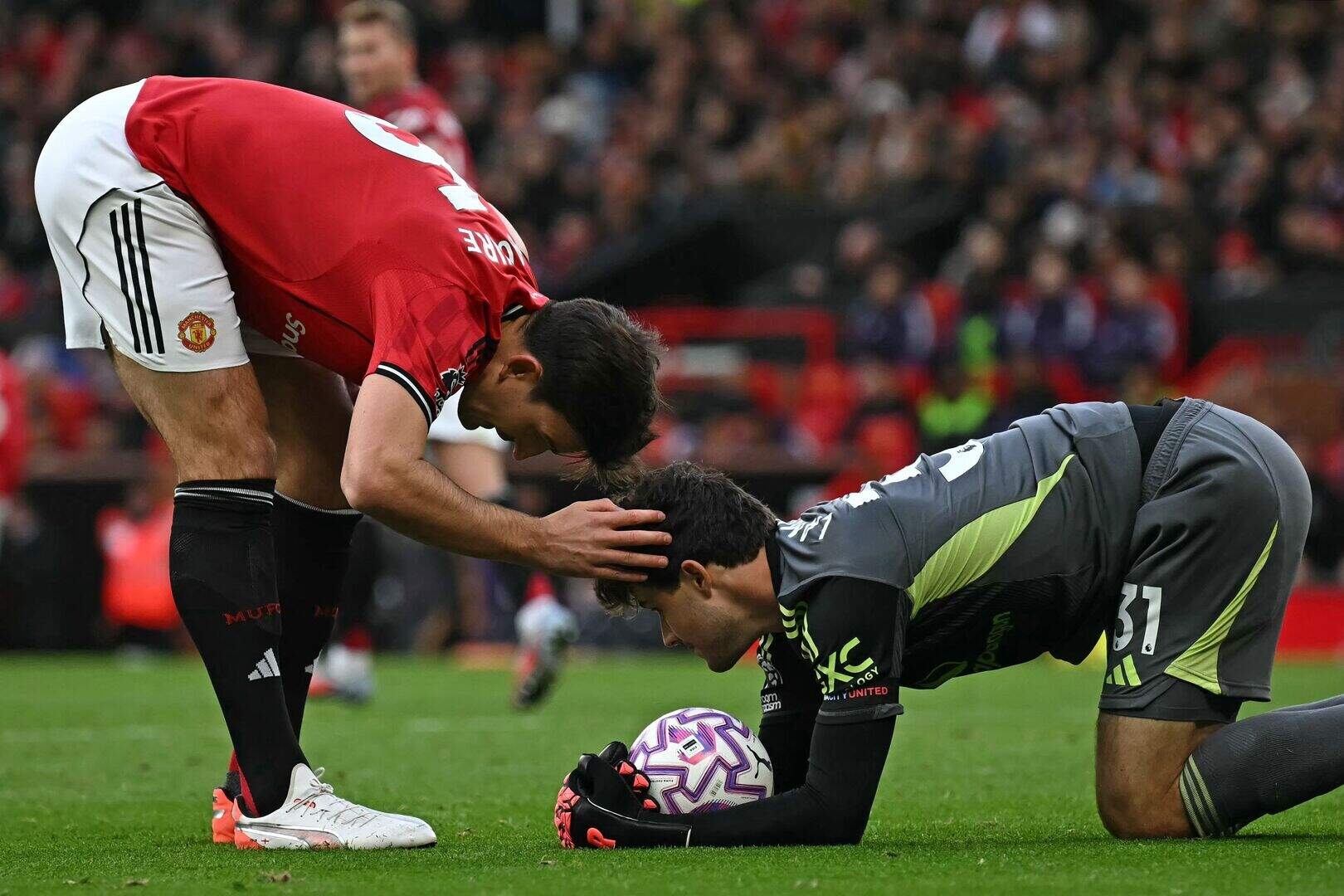
Lemmens’ calm hands steadied more than just the ball; they steadied Manchester United’s nerves. And perhaps, years from now, supporters will look back on this night as the first chapter in the story of a player who helped restore pride to the red half of Manchester.
For now, one thing is certain: the name Senne Lemmens will not fade quietly from Old Trafford’s echoing walls.