
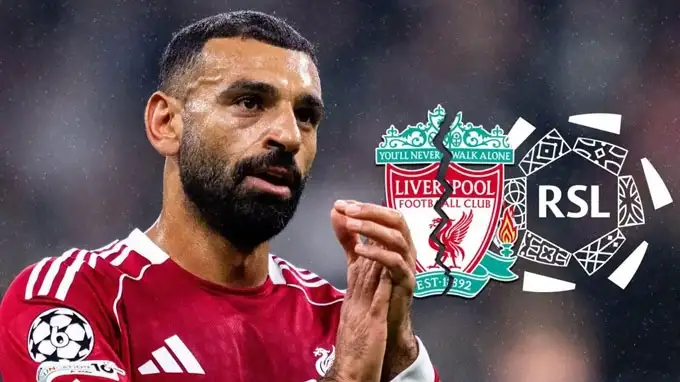

Leaving Mohamed Salah out of the Champions League squad for the match against Inter wasn’t just a tactical decision. It was a statement that Liverpool is entering a new era—one where Salah’s symbolic role no longer aligns with the club’s direction.
At Anfield, Mohamed Salah was once untouchable—Liverpool’s main scorer, the system’s focal point, and the emblem of an extraordinary era. But that time has passed. Liverpool is restructuring the way it operates—and in that new structure, Salah no longer has a natural place.
A Power Shift Inside the Dressing Room
Salah wasn’t sidelined because of form. He was sidelined for crossing an unwritten line: openly challenging head coach Arne Slot. In modern football, star players can have influence, but they cannot stand above the club’s operating framework.
Liverpool’s response was decisive: remove Salah from the Champions League squad. It was a message that no individual power—no matter how iconic—can outweigh the club’s direction. And as Salah left for Egypt’s national team camp, his absence unintentionally created the calm Liverpool needed to function more smoothly, away from media pressure and psychological disruptions inside the locker room.
Saudi Arabia – The Logical Next Step
Salah is 33 and earns over £300,000 per week. Meanwhile, the Saudi Pro League remains ready to roll out the red carpet with another massive offer. For Liverpool, selling Salah isn’t a betrayal of his legacy—it’s a strategic decision. For Salah, it’s a clean way out of current conflicts while preserving his dignity.
No team can build long-term stability around an “old center of gravity.” Every day Salah stays is another day Liverpool drifts inside a blurry strategic space.
Wirtz, Isak, and Liverpool’s New Blueprint
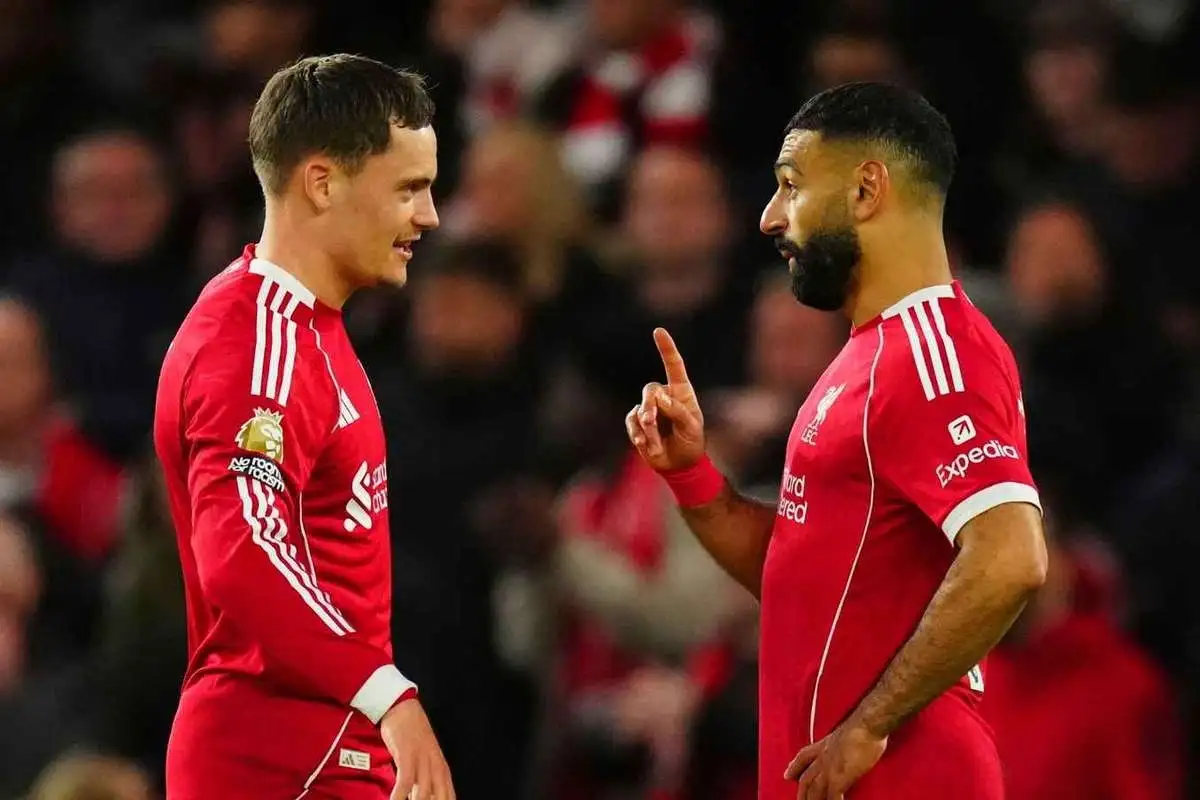
Liverpool’s leadership prepared for this moment as early as last summer. They didn’t just strengthen squad depth—they shifted the team’s power axis:
- Florian Wirtz – the new “brain” in midfield, capable of controlling the game’s tempo.
- Alexander Isak – arguably the most complete No.9 in the Premier League last season.
- Hugo Ekitike – a versatile forward who fits any attacking structure.
This trio steers Liverpool toward systems like 4-2-3-1 or 3-4-2-1, formations where a touchline-dependent right winger like Salah becomes less relevant. When Wirtz needs the ball and Isak needs central space, Liverpool must evolve away from a Salah-centric model.
Even Kenny Dalglish’s humorous but confident comment about Wirtz—“He could probably open a can of soup with his bare hands”—reveals the club’s readiness for a generational shift.
The Mistake That Pushed Salah Off Course
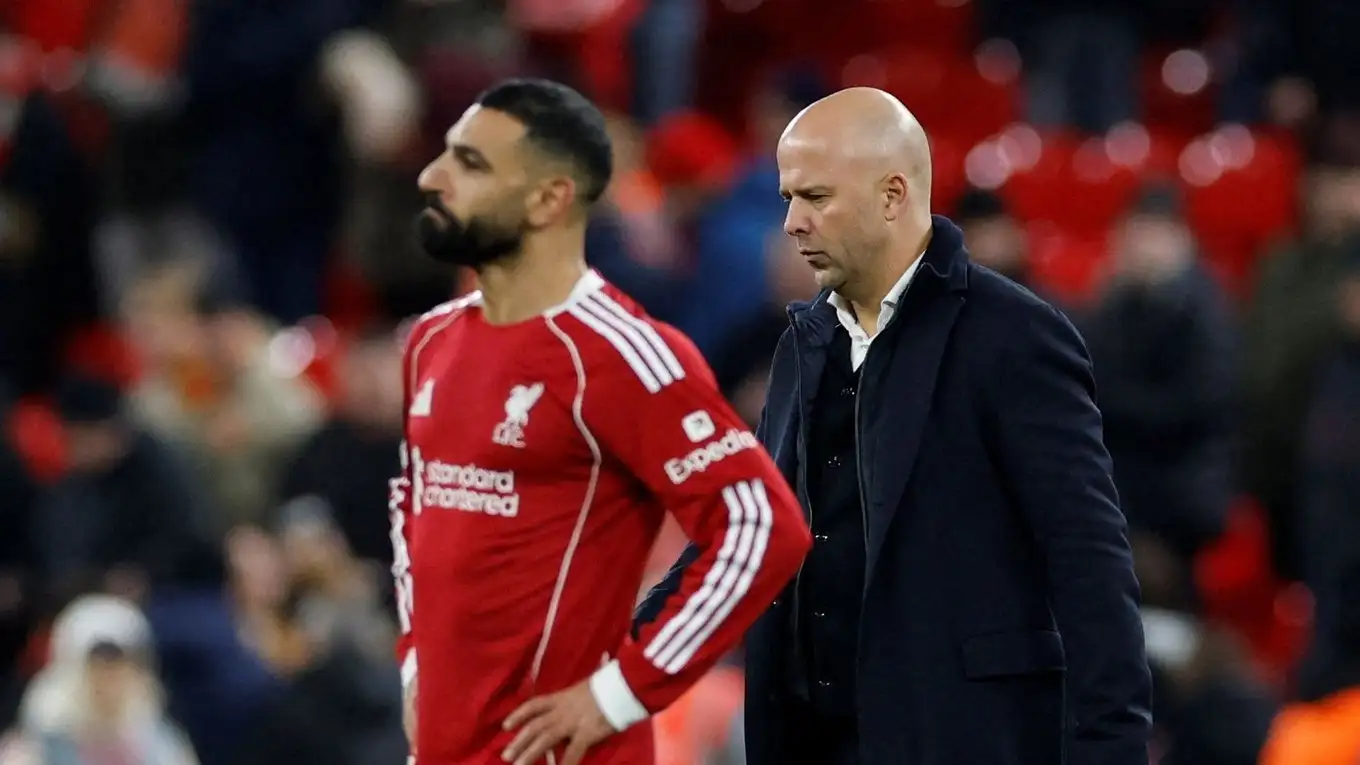
What Salah needed wasn’t goals—it was patience. But his latest outburst pushed things too far. Liverpool tolerated his threats to leave last year, but they cannot remain indefinitely in a cycle of “preparing for goodbye.”
This time, Salah’s words weren’t a warning. They were an ending.
Salah’s legacy at Liverpool is unquestionable: a legend, an icon, the face of an era. But football doesn’t move forward on nostalgia. It moves forward on future plans. And Liverpool’s future now lies in the feet of Wirtz, Isak, and the new generation.
The Silence Before the Door Closes
Anfield will remain loud. New goals will come. Liverpool will keep moving forward. And Salah, standing in the quiet space of transition, must now confront a truth: sometimes leaving at the right moment is the only way to preserve the value of a legend.