
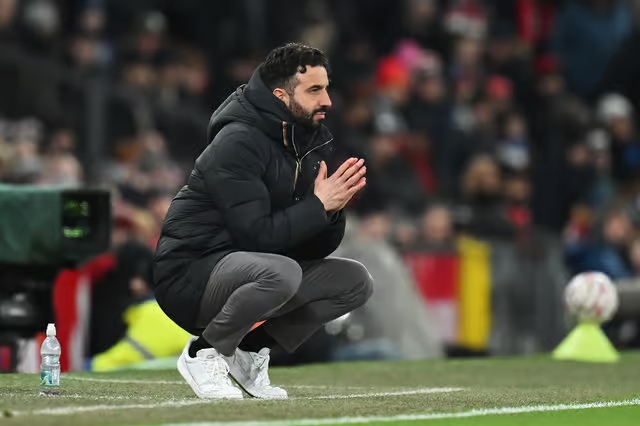

After four rounds of the 2025/26 Premier League, Manchester United sit only 14th in the table, with a tense atmosphere now spreading inside the dressing room. Manager Rúben Amorim is under intense pressure as doubts begin to surface within the Red Devils’ camp.
The new season at Old Trafford began with cautious optimism. A young, ambitious coach in Rúben Amorim, several fresh signings, and a preseason full of bold promises gave supporters hope that Manchester United might finally rediscover their lost identity. Yet within just a month, the optimism has evaporated. In its place: anxiety, skepticism, and a cloud of uncertainty that now hangs over the club like a storm.
A Start to Forget
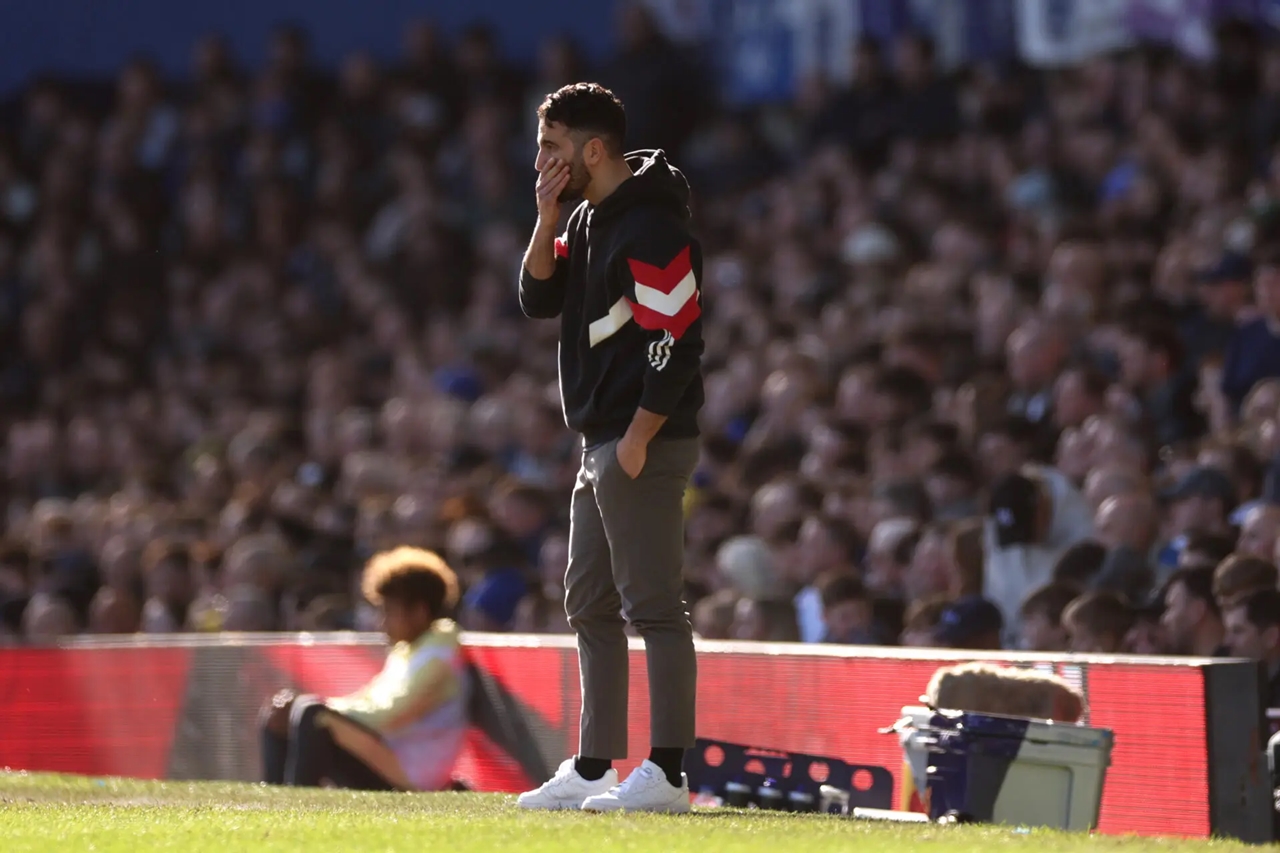
The breaking point came last weekend when United suffered a humiliating 0–3 defeat to Manchester City in the derby. For fans, the loss was more than just another setback—it was a stark reminder of how far the Red Devils have fallen behind their fiercest rivals. United looked disjointed, passive, and incapable of competing with City’s relentless intensity.
But the cracks had already been visible. An opening-day defeat against Arsenal, a lackluster 1–1 draw with Fulham, and an unconvincing victory over Burnley all highlighted flaws in Amorim’s system. Then came the Carabao Cup disaster: elimination at the hands of League Two side Grimsby Town after a dramatic 11–12 penalty shootout. For many, it was the most embarrassing night since the club’s low points under David Moyes or Ole Gunnar Solskjær.
The Grimsby defeat was not merely a bad result; it struck directly at United’s pride. A club with a history of European and domestic dominance had been humbled by a team four divisions below. It was here that whispers of discontent began surfacing.
Dressing Room Doubts
Reports from the Manchester Evening News suggest that certain players within the squad have begun questioning Amorim’s methods and tactical approach. The doubts are subtle but dangerous. Once a manager loses the dressing room—even partially—it becomes exponentially harder to regain authority.
United’s locker room is already a fragile environment. Veteran players accustomed to different managerial philosophies are adjusting slowly to Amorim’s high-pressing, possession-based style. Younger players, meanwhile, are caught between excitement and skepticism. The question is not simply about tactics but about belief: does this squad truly trust the Portuguese coach to lead them forward?
Amorim, for his part, has attempted to project confidence. In a meeting with co-owner Sir Jim Ratcliffe, he reportedly joked that he had been offered a contract extension despite the poor run of form. Yet behind the humor lies an undeniable truth—United’s patience with managers has limits, and Old Trafford remains one of the most demanding environments in world football.
A Crucial Showdown Against Chelsea
The timing of United’s struggles makes their upcoming clash against Chelsea all the more significant. Scheduled for September 20 at Old Trafford, the fixture could define Amorim’s future.
Chelsea, under new manager Enzo Maresca, have started the season unbeaten with two wins and two draws. Unlike United, the Blues appear cohesive, disciplined, and tactically assured. Their pressing is organized, their midfield balanced, and their attacking options varied. United, by contrast, enter the game with their confidence at its lowest ebb.
A defeat to Chelsea would not only plunge United deeper into mid-table obscurity but also intensify the pressure on Amorim to breaking point. The narrative could shift from a rough start to a full-blown crisis requiring immediate change.
Patterns From the Past
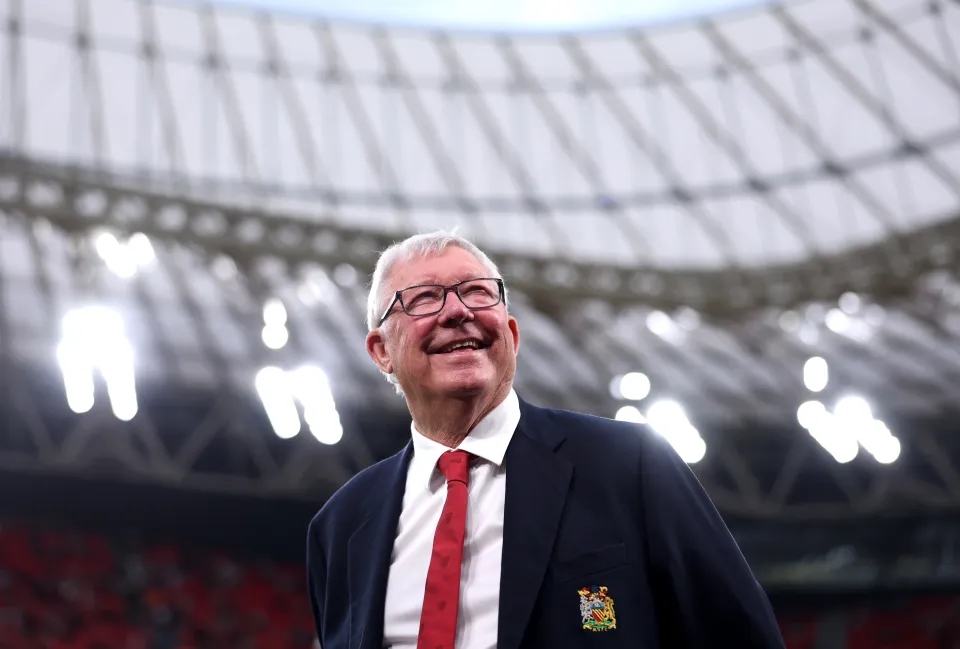
United’s current predicament is painfully familiar. Since Sir Alex Ferguson’s retirement in 2013, the club has cycled through a series of managers—Moyes, Van Gaal, Mourinho, Solskjær, Ten Hag—all of whom began with promise but faltered under the combined weight of unrealistic expectations, structural weaknesses, and a restless fanbase.
Amorim’s appointment was meant to symbolize a new era: youthful energy, progressive tactics, and a willingness to build patiently. Yet football rarely offers patience at a club of United’s stature. Supporters have endured a decade of inconsistency, and executives like Ratcliffe know that commercial and sporting ambitions demand quick results.
Leadership on Trial
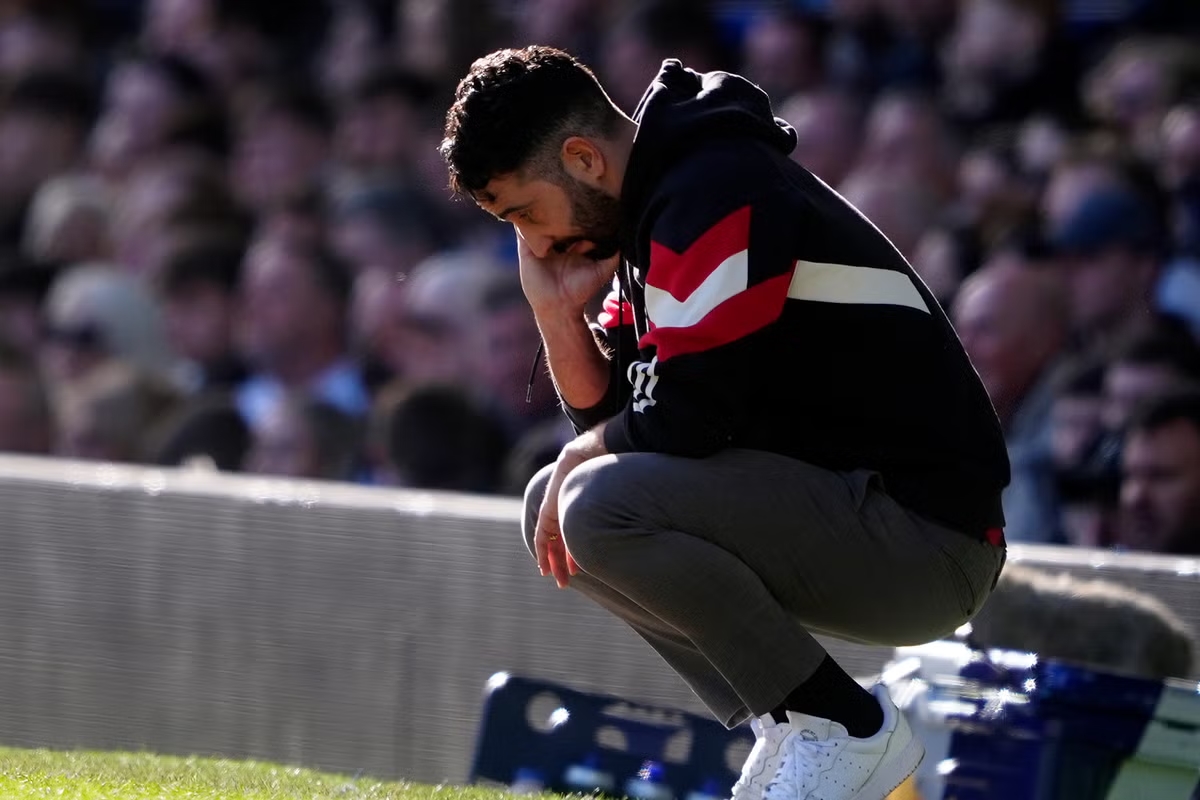
Ultimately, United’s crisis is not just about missed passes or tactical missteps. It is about leadership—on and off the field. The absence of a commanding presence in the dressing room has been evident for years. Players such as Bruno Fernandes, Casemiro, and Marcus Rashford carry responsibility, but their performances have lacked the consistency and charisma required to steady the ship.
For Amorim, the challenge is immense: unite a divided squad, adapt his system to the brutal realities of the Premier League, and deliver results under extraordinary scrutiny. Failure to do so will inevitably lead to speculation about potential replacements. Already, whispers of alternative candidates—experienced managers with proven Premier League track records—have begun circulating in the press.
Manchester United: What Comes Next?
Football history shows that crisis often reveals a team’s true character. United can either rally, rediscover their identity, and use adversity as fuel—or sink deeper into disarray, forcing yet another managerial change.
The Chelsea match may not decide the season, but it could decide Amorim’s future. Victory would provide breathing room and restore belief. Defeat could set in motion a chain of events that ends with another manager added to the club’s long list of post-Ferguson casualties.
One thing is certain: the clock is ticking. For Rúben Amorim, time is no longer his ally.