
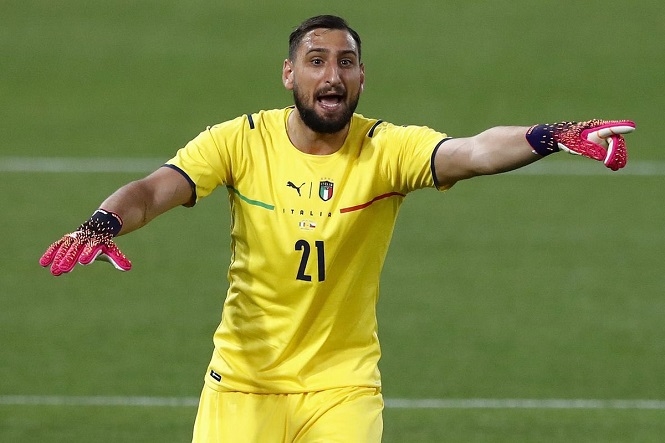

Gianluigi Donnarumma’s move from PSG to Manchester City wasn’t just another surprising transfer. It marked a deeper shift in the philosophy of the Parisian club—where the collective now outweighs any individual, no matter how big a star.
When PSG agreed to sell Gianluigi Donnarumma to Manchester City for £26 million, fans around the world were stunned. The Italian goalkeeper had just played a pivotal role in helping the club lift their first-ever Champions League trophy last season, standing tall as one of their most indispensable players. His departure, coming just months after that glorious night in Europe, immediately sparked questions: Was there tension in the dressing room? Or was it part of a larger squad overhaul?
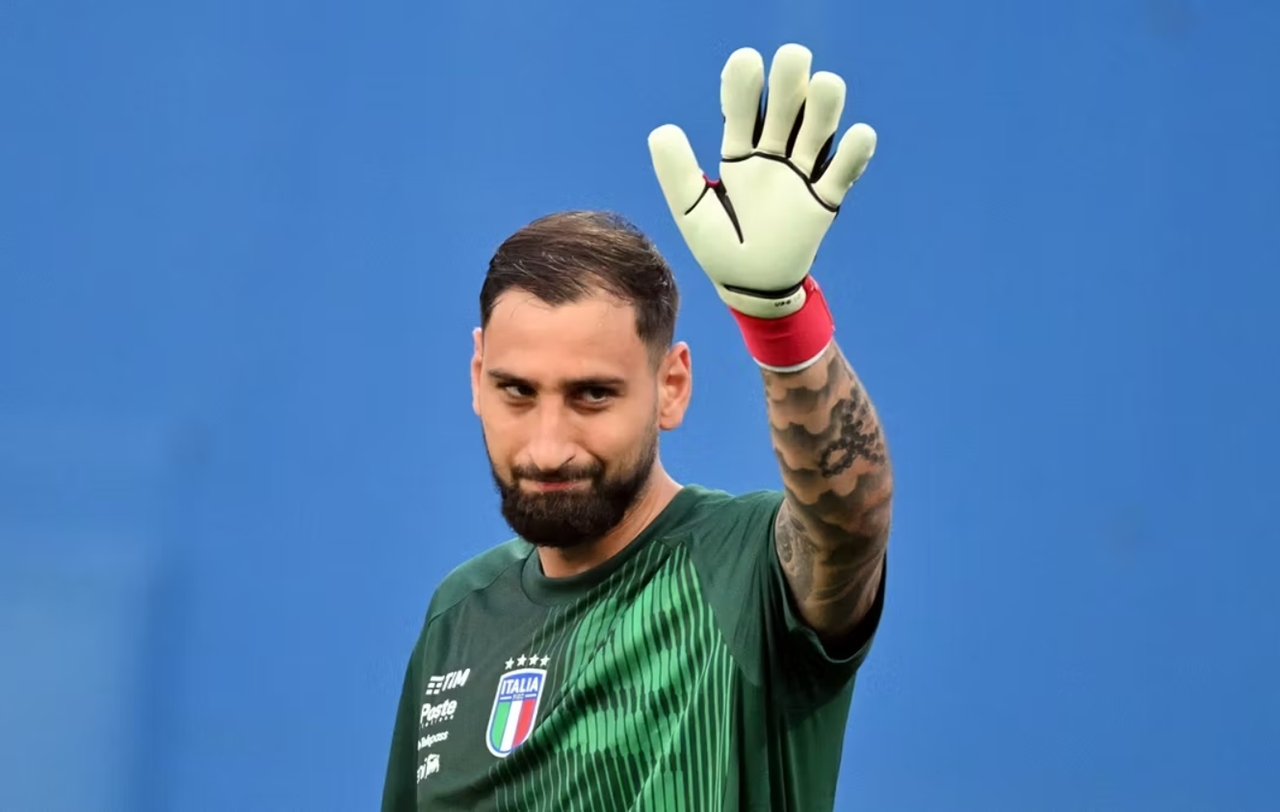
The answer came directly from Luis Campos, PSG’s football advisor, in an interview with RMC Sport on September 15. Campos explained bluntly: “The club comes before anyone else. Donnarumma was a special case—we had many discussions but couldn’t find common ground. He wanted a salary in line with PSG’s old structure. But today, we have a new principle: you only earn big if you truly deserve it and prove it on the pitch.”
That statement alone reveals how radically PSG has changed direction. Gone are the days of the “Galácticos” experiment, when Lionel Messi, Neymar, and Kylian Mbappé shared the same dressing room. Back then, PSG were willing to break wage structures to lure superstars, creating a locker room heavy with egos but light on chemistry. Despite their glittering roster, repeated failures in the Champions League proved that reputation alone doesn’t guarantee success.
Now, under head coach Luis Enrique and advisor Campos, PSG are reshaping their identity. There are no “untouchable” stars anymore—the team itself is the star. The new wage policy reflects this ethos: fair competition across the board, with current performance, not past achievements, determining a player’s status.
Within this context, Donnarumma’s high salary demands became a sticking point. Despite his world-class displays, PSG’s new reality is clear—yesterday’s glory doesn’t secure tomorrow’s paycheck. Ultimately, the club decided to let him go, even if £26 million felt like a cut-price deal for a 26-year-old goalkeeper entering his prime. For PSG, principles mattered more than price tags.
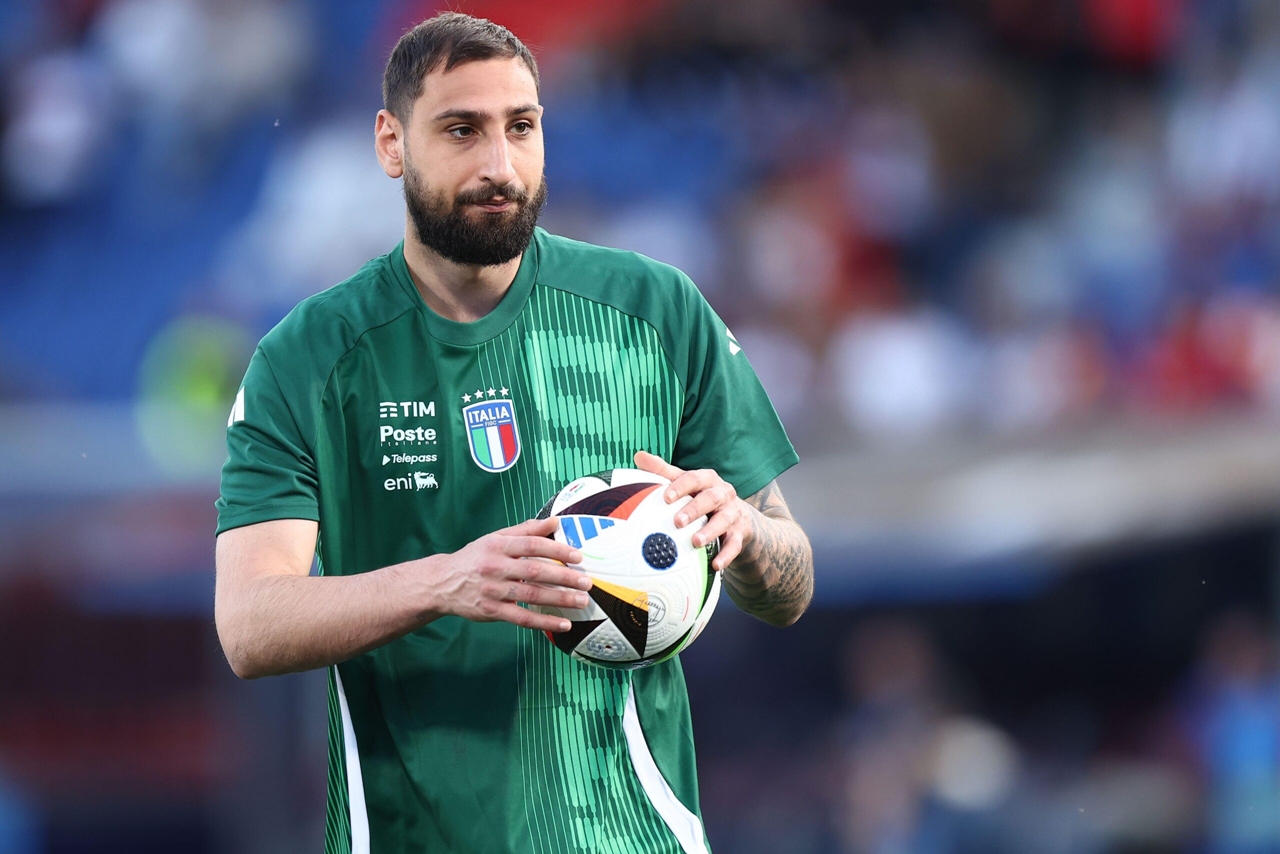
For Manchester City, however, this was nothing short of a windfall. Pep Guardiola has landed one of the world’s top shot-stoppers, a player capable of competing with Ederson and perhaps even taking the No.1 spot in the near future. Donnarumma wasted no time making an impression—on his debut against Manchester United on September 14, he kept a clean sheet and helped City to a resounding 3-0 victory. It was a quick reminder of the quality PSG have lost.
But from PSG’s perspective, the move carries symbolism that transcends footballing logic. Selling Donnarumma, a hero of their Champions League triumph, sends a strong message: Paris Saint-Germain is entering a new era, breaking free from its dependence on individual stars. Discipline, balance, and team cohesion now take priority over indulging marquee names.
Many analysts see this bold decision as a cornerstone in PSG’s rebuilding process. The club is willing to sacrifice short-term comfort to establish long-term sustainability. More importantly, it signals to the entire squad that no one at Parc des Princes has a guaranteed spot—every player must fight for their place.
For fans, Donnarumma will always be remembered as the goalkeeper who helped deliver the club’s most coveted prize. Yet, his departure encapsulates PSG’s transformation. This wasn’t just about money—it was about principle. The Donnarumma saga illustrates PSG’s journey from a star-driven project to a team-first philosophy, where the collective stands above all else.